
Step into any Tokyo flat and you’ll spot something that doesn’t quite add up. Ultra-modern tech everywhere, yet the counters sit bare and the sightlines stay crisp. How? It’s deliberate, not accidental. Japan has cracked the code on Japan minimalism alongside high-tech living in Japan, showing the rest of us these forces don’t need to battle. This breakdown reveals the real principles, gear selections, and room-specific tactics behind why Japanese minimalist homes deliver results.
You’ll discover Japanese smart home technology that justifies the outlet space, paired with minimalist Japanese lifestyle practices that stop junk from sneaking back.
The tourism boom to Japan hints at something bigger: our collective chase for aesthetic unity, artistry, and cultural depth in a world drowning in screens (Montecito Village Travel). People come back from Kyoto wanting to capture that vibe: rooms that breathe yet pack every modern convenience. The trick? Treating gadgets as plumbing, not showpieces.
Japan Minimalism Meets High-Tech Living in Japan: The “Quiet Tech” Philosophy
When you’re dialing in automations remotely, say, troubleshooting a thermostat from Osaka, reliable connectivity becomes non-negotiable. That’s where japan esim unlimited data saves the day, letting you manage smart home dashboards during setup or fixes without hunting for sketchy café Wi‑Fi or suffering mid-task dropouts.
Minimalism as process, not decoration
True minimalism skips the Instagram aesthetic and cuts straight to friction removal. Owning less means thinking less. Decision fatigue drops. Even a guided tour sometimes just half a day ends up stealing the show on your trip (Montecito Village Travel), and home life works the same way: curated choices trump infinite clutter. Japanese families lean into value-driven ownership: retain what works, ditch what doesn’t. That’s operational minimalism, not design theater.
Tech that refuses the spotlight
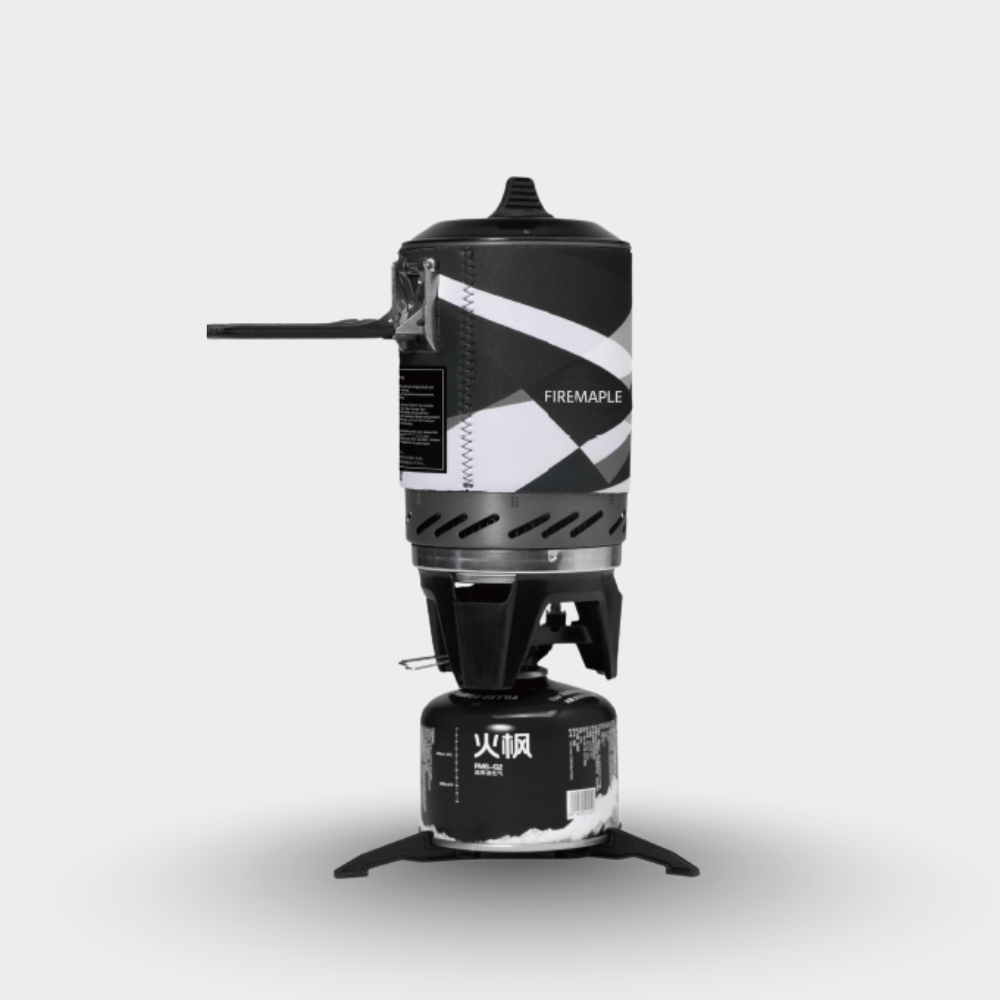
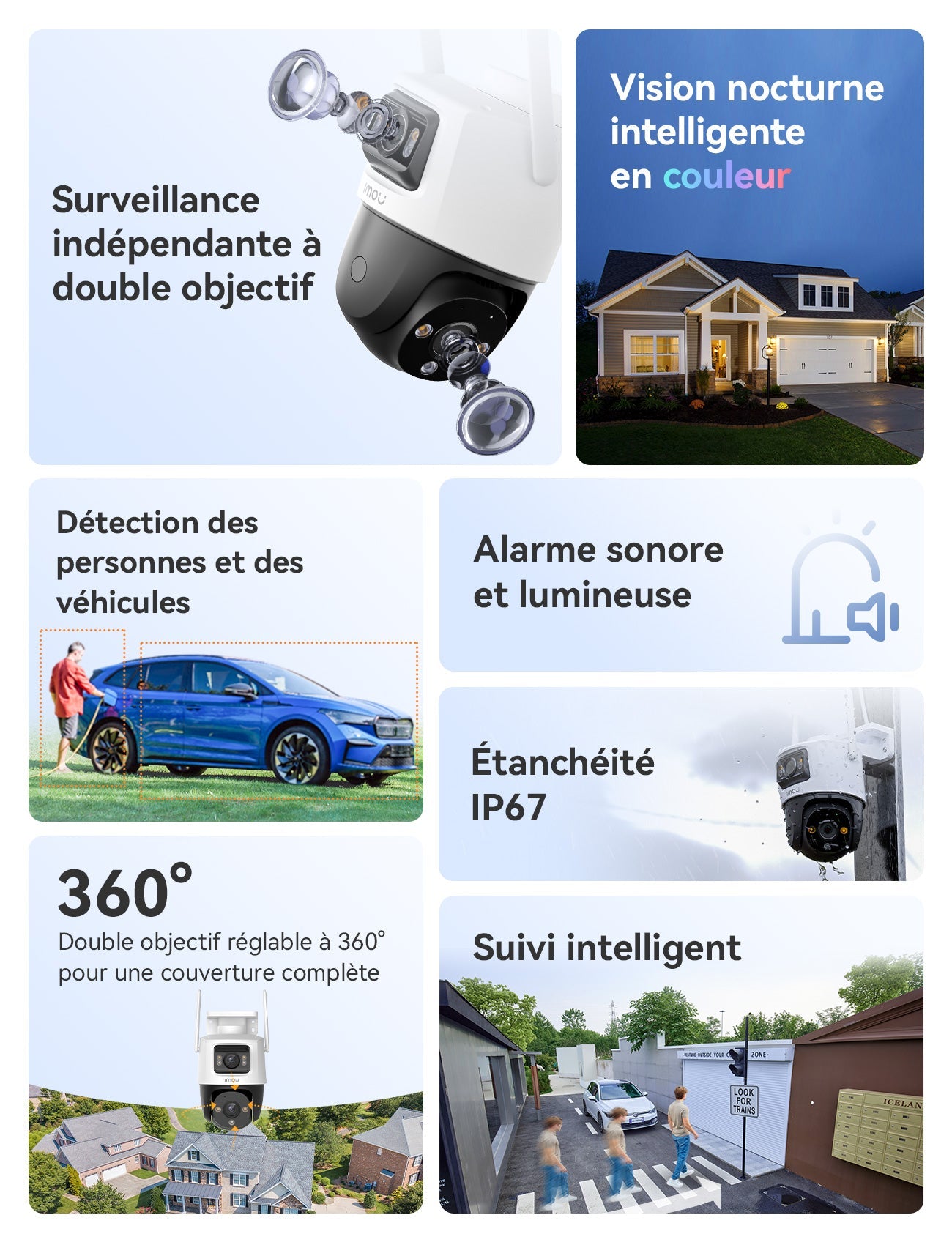
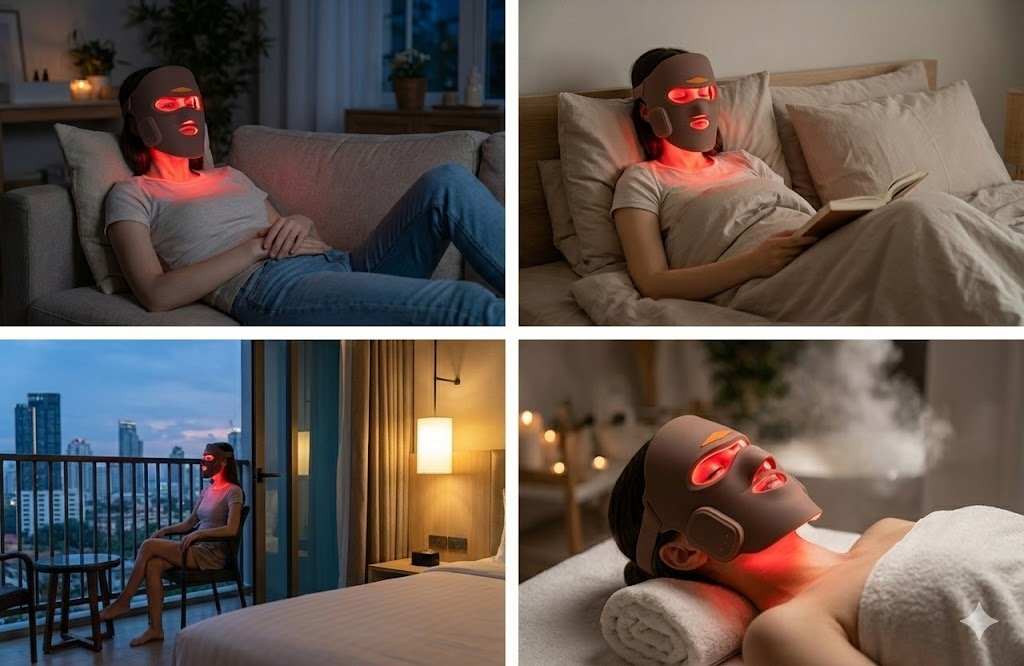
“Calm technology” vanishes until you actually need it. Zero flashing lights. No redundant tablets. No gadgets yelling for eyeballs. The litmus test is brutal: if it screams for attention, it fails. In reality, “hi-tech” appears sparingly (Dako Windows), because overt gadgetry shatters visual peace. Instead, homes cherry-pick only what fits functionally and aesthetically.
Minimalist Japanese lifestyle rhythms that naturalize tech
One-in/one-out upgrade cycles stop device hoarding cold. “Reset to neutral” defaults wiped surfaces, tucked cables, nightly sweeps prevent spaces from sliding into disorder. Digital minimalism counts equally: slash notifications, murder unused apps, enforce home screen discipline so your phone doesn’t sabotage the calm your rooms just earned.
Philosophy sounds great until your router blinks like a disco ball. You need architectural moves that make technology evaporate the moment you unbox it. Here’s how Japanese minimalist homes get built from scratch to swallow smart devices whole without wrecking the view.
Core Design Rules in Japanese Minimalist Homes That Make Technology Disappear
Negative space and visual flow as foundation
Layout precedes purchases. Always. Preserving “quiet zones” in shared areas protects tranquility. Map device homes before unboxing this blocks impulse dumping that murders sightlines.
Storage architecture supporting both minimalism and gadgets
Built-ins, hidden compartments, and modular systems banish devices from view. Cable channels, flush outlets, and invisible power strips become structural DNA, not patches.
Final Thoughts on Balancing Calm and Connectivity
Japanese minimalism and high-tech living in Japan demonstrate that bare surfaces and smart automation aren’t enemies. The secret isn’t tech rejection, it’s picking devices that disappear into the background, constructing storage hiding infrastructure, and designing rituals preventing clutter’s return. Japanese minimalist homes thrive because they position tech as invisible scaffolding, never visual stars. Japanese smart home technology succeeds when reliable, subtle, and intentional. The minimalist Japanese lifestyle dodges deprivation; it chases clarity, ease, and mastery. Begin with a single room, apply “quiet tech” thinking, and notice how much quieter daily existence becomes when technology remembers its role.
Copyright © 2026 California Business Journal. All Rights Reserved.
For California Business Journal Disclaimers, go to https://calbizjournal.com/terms-conditions/.