
Hello Readers,
Last week was a defining moment for India’s aspirations to make it big on the global shipbuilding stage, which received a booster dose last year through a ₹69,725 crore package that addresses various challenges in its ambition to become world’s No.10 by 2030 and No.5 by 2047.
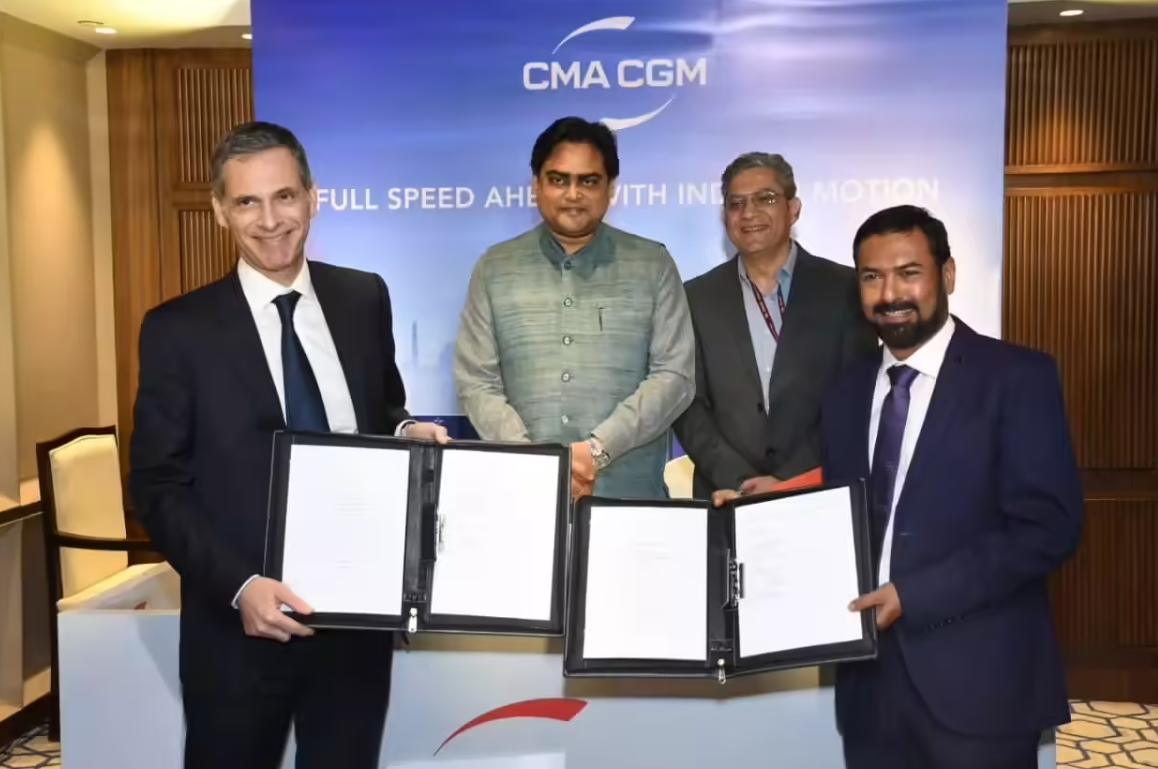
The signing of a firm contract for building six LNG-powered feeder container ships, each with a capacity to carry 1,700 twenty-foot equivalent units between global giant CMA CGM S A and Cochin Shipyard Ltd, made world news. This $360 million order will be the first for constructing container ships in India and has wider implications for the local shipbuilding industry.
The execution of this order will be keenly watched by global fleet owners on two key aspects – quality and timely delivery – to help them decide whether India can indeed become an alternative to China, South Korea and Japan. The fact that Rodolphe Saade, Chairman of CMA CGM, the world’s third biggest container ship operator, himself signed the shipbuilding contract for the “small” 1,700 TEU feeder vessels “surprised” even South Korea’s HD Korea Shipbuilding & Offshore Engineering Co Ltd (HDKSOE), one of the world’s top shipbuilders, which is lending technical support to state-run Cochin Shipyard, on building the ships. Saade has never signed a shipbuilding contract personally when his company ordered giant 24,000 TEU ships in South Korea.
The ball is now in the court of India’s shipbuilders to take advantage of this order and move up the value chain from constructing small offshore and niche ships to vessels that are deployed in mainline cargo trade. As Jose V J, Chairman and Managing Director, Cochin Shipyard told ET Infra in an interview, this order will be a “game changer” for his yard. ET Infra reckons that it will be a “game changer” as well for India’s shipbuilding ambitions.
Read the full story here
Other top stories
Policy flip-flop clouds prospects of Vizhinjam Port transshipment hub
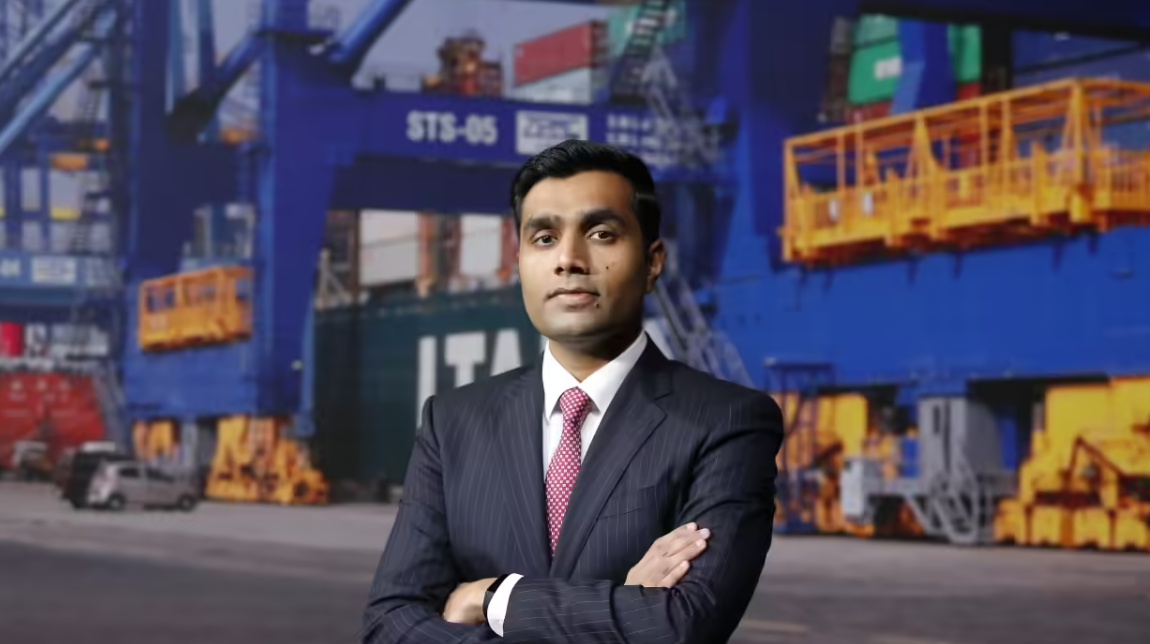
After a scintillating start, the Vizhinjam container transshipment terminal faces its first major challenge — not because of lack of cargo but due to a policy flip flop. The government’s decision to reverse a so-called cabotage waiver will upend the fortunes of the facility that is designed to cut India’s dependence on regional hubs to send and receive container cargo. This explains why Karan Adani, Managing Director, Adani Ports and SEZ, which runs the facility, wrote to Kerala Chief Minister Pinarayi Vijayan, seeking his intervention to lobby the Centre and stall the plan. Read hereBid deadline pushed for Vadhvan Port mega project
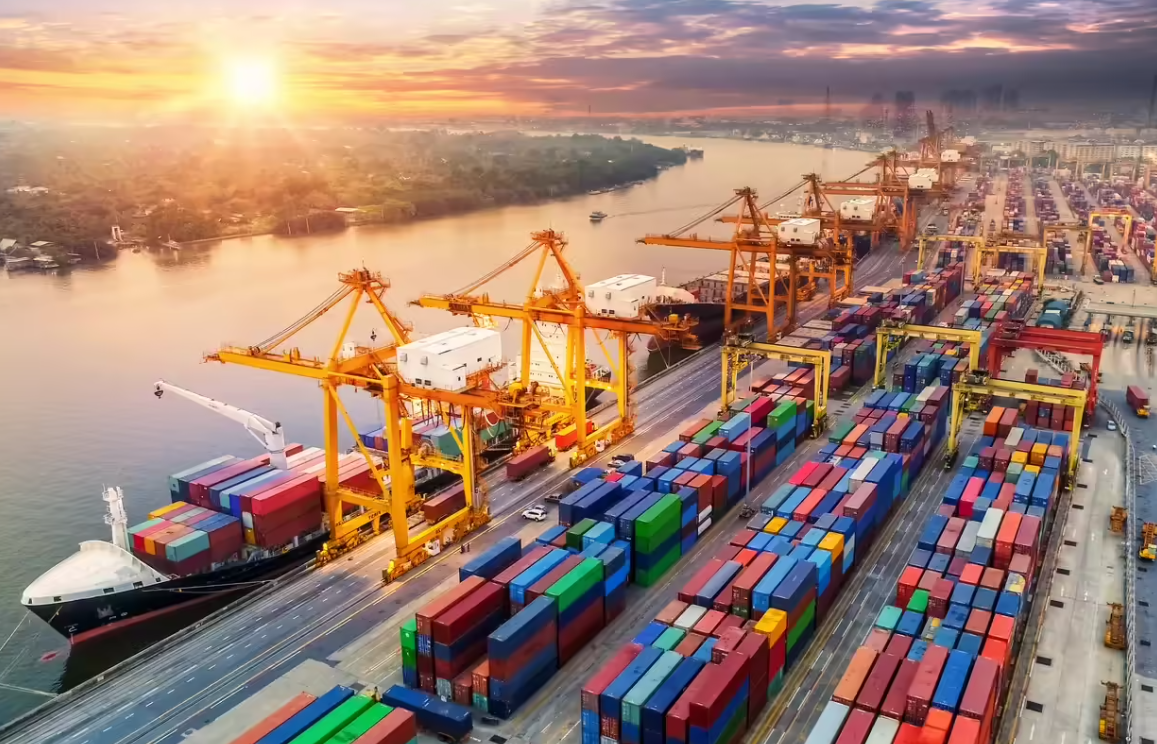
India’s biggest greenfield port project yet is struggling with land acquisition issues, forcing the project implementing agency to defer the bid timeline for dredging, reclamation and offshore protection bund construction by three months till May 18. ET Infra explains what the postponement of the bid submission date means for the mega project.
Centre revives push to corporatise major ports
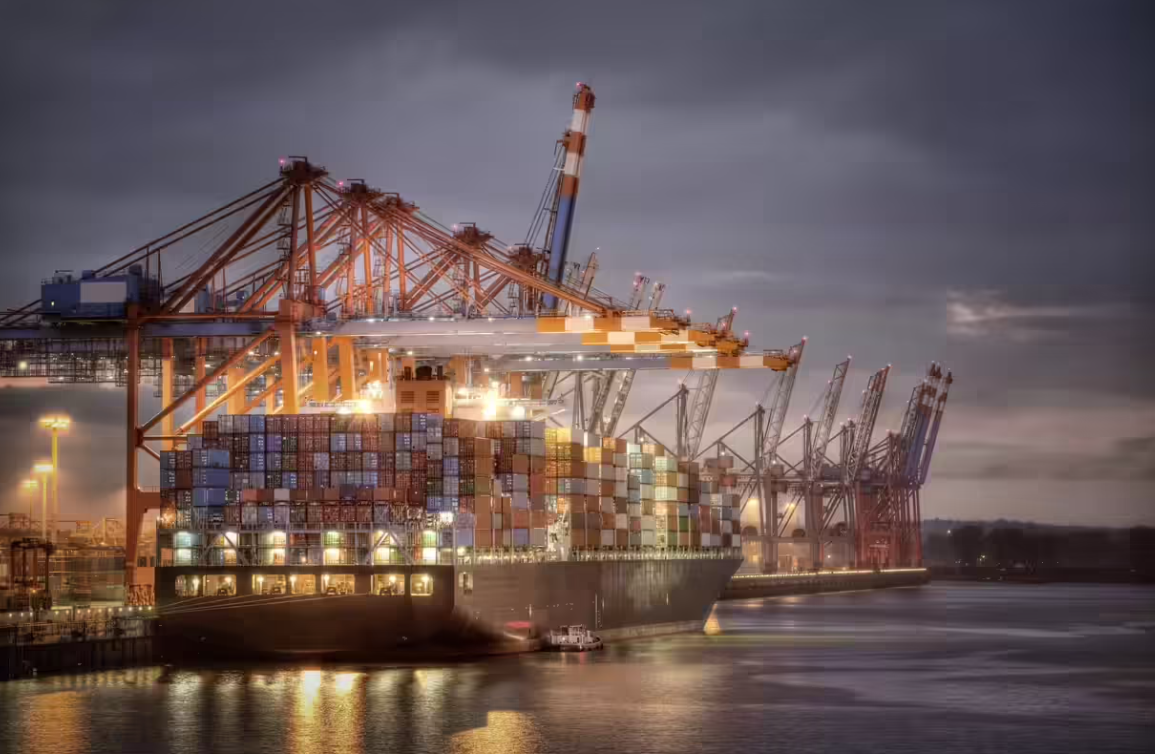
Five years after overhauling the governance structure of state-owned major ports from ‘trusts’ into ‘authorities’ through a long-drawn, multi-year process, the Centre has embarked on converting these ports into ‘corporate’ entities. A corporate structure has always been the first choice of the government for running these ports, but workers’ resistance had waylaid that plan. Why is the government making a fresh attempt to corporatise major ports? ET Infra explores the reasons.
Hapag-Lloyd AG eyes acquisition of ZIM Integrated Shipping Services
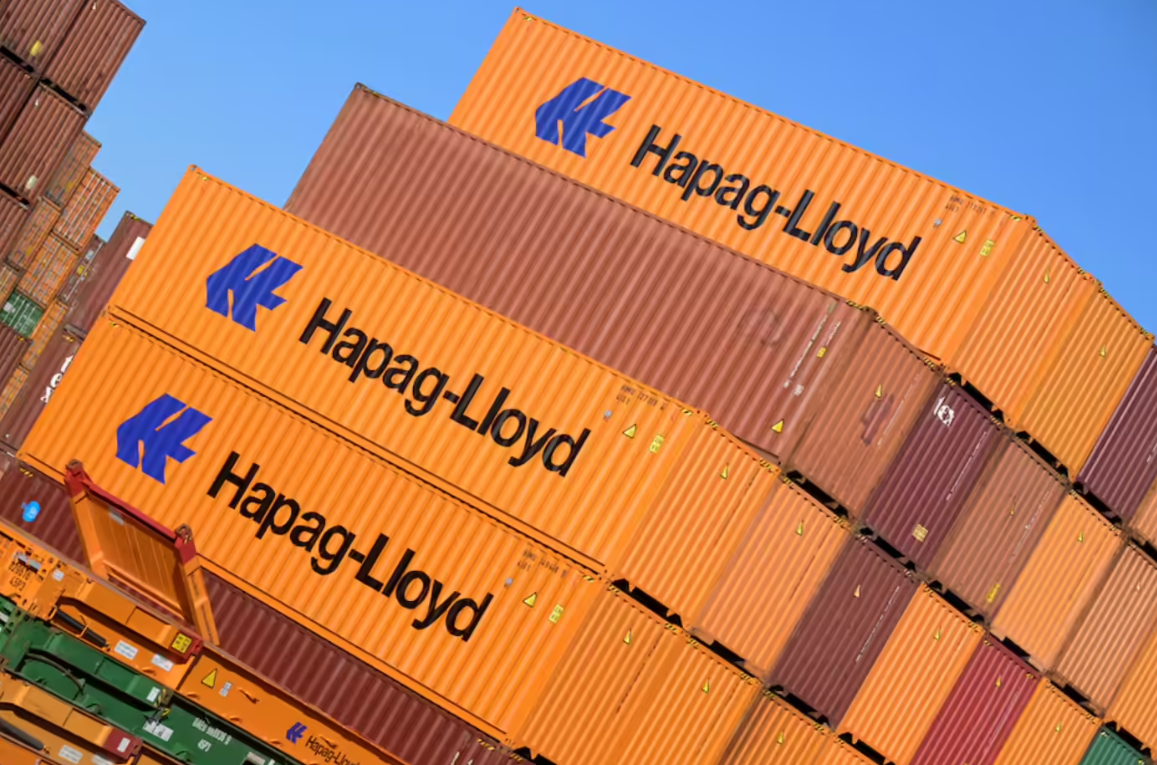
Consolidation in the global container shipping industry took a new turn with Germany’s Hapag Lloyd AG, the world’s fifth largest container shipping line, buying Israel’s Zim Integrated Shipping Services. The deal will intensify competition in an industry that is coming off the peak since the pandemic-induced supply chain disruptions helped freight rates climb to historic highs. Read here
That’s all for this week!
From a breakthrough shipbuilding order and port policy uncertainty to structural reforms and global shipping consolidation, the week showed how India’s maritime ambitions are gaining momentum even as the sector navigates strategic and regulatory crosscurrents.